Op art is short for ‘optical art’. The word optical is used to describe things that relate to how we see. Have you seen an optical Illusion before? Op art works in a similar way. Artists use shapes, colours and patterns in special ways to create images that look as if they are moving or blurring. Op art started in the 1960s and the painting above is by Bridget Riley who is one of the main op artists.
Օփ արվեստը դա «օպտիկական արվեստ» բառի կրճատ տարբերակն է: Օպտիկական բառն օգտագործվում է նկարագրելու բաներ, որոնք վերաբերում են մեր տեսածին: Օրինակ պատրանքին: Նույն կերպ է աշխատում օպերային արվեստը: Նկարիչները հատուկ օգտագործում են ձևեր, գույներ և նախշեր՝ պատկերներ ստեղծելու համար, որոնք թվում է, թե շարժվող կամ լղոզված են: Օպերային արվեստը սկսվել է 1960-ականներին, իսկ վերևում գտնվող նկարը Բրիջիթ Ռայլիի կողմից է, ով գլխավոր օպերային արտիստներից մեկն է:
What shapes can you see in this picture? It is by an op artist called Victor Vasarely.
Bridget Riley, Victor Vasarely and another artist called Jesus Rafael Soto were three of the most important op artists.
Ի՞նչ ձևեր կարող եք տեսնել այս նկարում: Այն Վիկտոր Վազարելի անունով օպերային արտիստի հեղինակն է:
Բրիջիթ Ռայլին, Վիկտոր Վազարելին և մեկ այլ նկարիչ, որը կոչվում է Հիսուս Ռաֆայել Սոտո, ամենակարևոր օպերային արտիստներից երեքն էին:
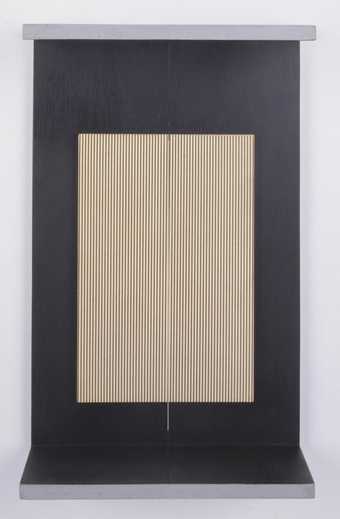
Light Trap (1965)
Tate© ADAGP, Paris and DACS, London 2024
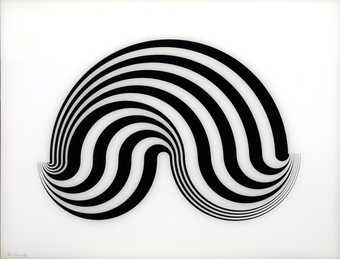
Untitled [Fragment 5/8] (1965)
Tate© Bridget Riley 2020. All rights reserved.
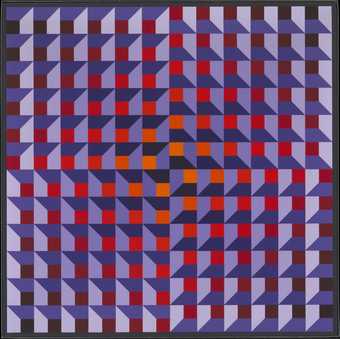
Ambiguous Structure No.92 (1969)
Tate© ADAGP, Paris and DACS, London 2024
Look at the way shapes, colours and light and dark shades are used in these op artworks to change the way 2D images appear. How do you feel when you look at these pictures?
Տեսեք, թե ինչպես են ձևերը, գույները և բաց ու մուգ երանգները օգտագործվում այս օպերացիոն աշխատանքների մեջ՝ փոխելու 2D պատկերների տեսքը: Ինչ եք զգում, երբ նայում եք այս նկարներին:
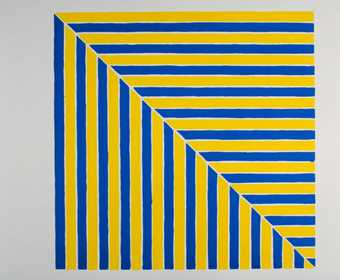
Untitled (Rabat) (1964)
Tate© ARS, NY and DACS, London 2024
There are also some abstract artists who don’t always make op artworks but sometimes slip into it. This picture by Frank Stella uses bright and jazzy colours that create a buzzy effect on our eyes. How different would it look if it was just black and white?
Կան նաև աբստրակտ նկարիչներ, որոնք միշտ չէ, որ օպերային ստեղծագործություններ են անում, բայց երբեմն սխալվում են դրանց մեջ: Ֆրենկ Ստելլայի այս նկարում օգտագործված են վառ և ջազային գույներ, որոնք մեր աչքերի վրա վառ ազդեցություն են ստեղծում: Որքան տարբեր կլիներ այն, եթե այն պարզապես սև ու սպիտակ լիներ:
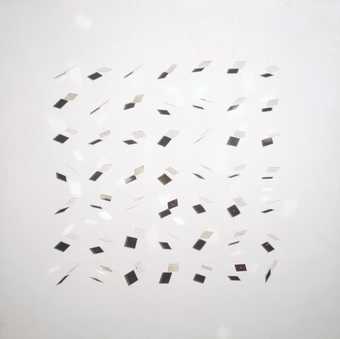
Continual Mobile, Continual Light (1963)
Tate© Julio Le Parc
Some op artists made artworks that don’t just look as if they are moving – they actually ARE moving! Art that moves is sometimes called kinetic art.
The artwork above is by an artist called Julio Le Parc who often created mobiles. To make this work he has hung lots of tiny bits of metal onto almost invisible suspended threads. These bits of metal jiggle and move slightly with any breeze, and their shadows on the white background also jiggle and move. Can you see the shadows?
How do you think this artwork would move in a gallery?
Որոշ օպերատորներ ստեղծել են արվեստի գործեր, որոնք ոչ միայն թվում են շարժվող , այլ իրական կյանքում շարժվում են: Շարժվող արվեստը երբեմն կոչվում է կինետիկ արվեստ:
Վերևում գտնվող նկարը Խուլիո Լե Պարկի անունով նկարիչն է, ով հաճախ բջջայիններ էր ստեղծում: Այս աշխատանքը պատրաստելու համար նա մետաղի շատ մանր կտորներ է կախել գրեթե անտեսանելի կախված թելերի վրա: Մետաղական այս կտորները ցնցվում են և մի փոքր շարժվում ցանկացած զեփյուռով, իսկ սպիտակ ֆոնի վրա նրանց ստվերները նույնպես շարժվում են և շարժվում: Կարո՞ղ եք տեսնել ստվերները:
Ի՞նչ եք կարծում, ինչպե՞ս կշարժվեր այս արվեստի գործը պատկերասրահում:
 -Սարգսյան Լաուրա -